Neusiedler See-Seewinkel National Park: Nature, Birdlife & Day-Trip Tips
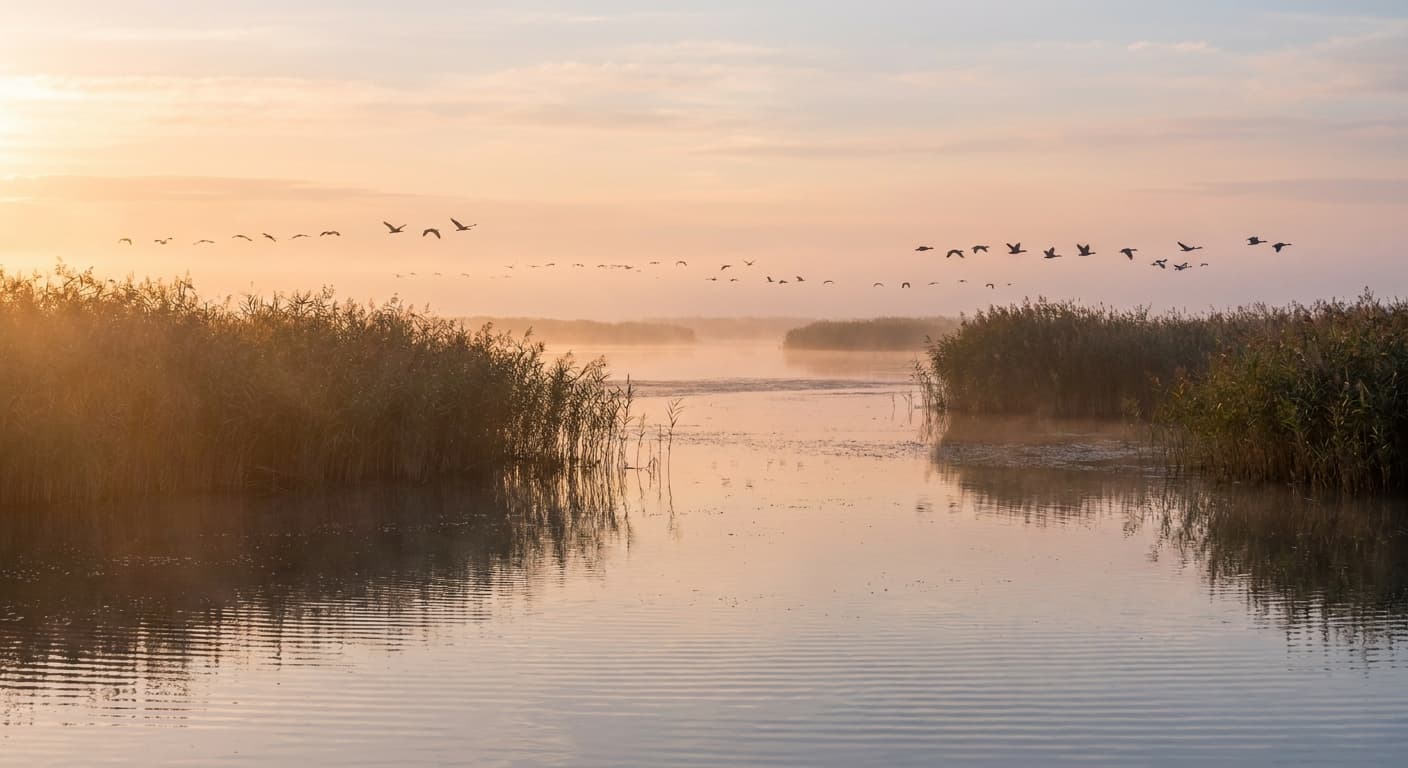
Neusiedler See-Seewinkel National Park: nature between reeds, soda pools and open skies
Neusiedler See-Seewinkel National Park is one of the most memorable nature experiences around Lake Neusiedl. When you stay in Rust, you first enjoy the quiet lakeside atmosphere, the historic old town, vineyards and direct access to the water. A little further east, the Seewinkel opens into a very different landscape: flat, bright, salty, windy and full of small details. Reed belts, meadows, pastures, soda pools and viewing points create a day trip that does not need to be loud to stay in your memory.
Official National Parks Austria information describes the area as Austria's only steppe national park. The Austrian section covers around 10,000 hectares, with additional protected areas on the Hungarian side. The Austrian national park was established in 1993 and the wider cross-border cultural landscape became part of the UNESCO World Heritage region in 2001. For guests of Seehütte Sonnenschilf, this makes a particularly attractive combination: a private lakeside stay in Rust and a nature-focused day out in the Seewinkel.
This guide explains how to experience the national park at a relaxed pace: which habitats are typical, when birdwatching is especially rewarding, which routes and guided tours are useful, and how to combine the outing with a calm evening by the water. The idea is not to tick off every location, but to give the landscape enough time to unfold.
What makes the landscape special
The charm of the Seewinkel lies in its mosaic. At first glance the landscape may seem simple: open horizons, paths through meadows, water surfaces, reeds, scattered trees and a huge sky. When you slow down, everything changes with light and wind. A soda pool can mirror the morning, shimmer brightly at noon and become quiet again in the evening. Spring and autumn bring migration, summer brings warmth and wind, and winter reduces the scenery to clear lines and pale colours.
The soda pools are especially characteristic. These salty, shallow waters may carry water or partly dry out depending on the season. This change is part of their ecological value. They offer habitats for specialised plants and animals that are rare inland. Reed belts, meadows, grazing areas and dry grassland add further layers. That means you should not expect a classic mountain or forest park. The beauty here comes from openness, silence and observation.
Birdwatching: walk slowly and see more
The national park is famous for its birdlife. It lies in an important resting and breeding area for migratory birds travelling between wintering and breeding grounds. Depending on the season, you may see geese, herons, spoonbills, waders, birds of prey or bee-eaters. Even without keeping a species list, you quickly notice that the sky is part of the experience: calls from the reeds, groups of birds in flight and movement along the waterline shape the atmosphere.
A pair of binoculars is helpful, but patience matters more. Stay at one viewing point for several minutes. Look first at the waterline, then at the reed edge, then into the sky. Many animals reveal themselves through motion or sound. For families, this can become a simple nature game: Which birds stand in the water, which ones swim, which ones circle above the pools?
Morning and late afternoon are often the most pleasant times. The light is softer, temperatures are milder and the landscape feels quieter. In high summer, it is wise to avoid the strongest midday heat. In spring and autumn, migration periods can be impressive, though wildlife can never be scheduled like a show.
Routes, visitor centre and guided tours
A good starting point is the National Park Centre in Illmitz. From there you can check current information, guided programmes and suitable routes. The official national park website points to year-round offers, route suggestions and expert-led tours. This is especially valuable if you want to understand soda pools, reed beds, grazing management or bird migration in more detail.
Well-known areas include the Zitzmannsdorfer Wiesen, Illmitz-Hölle, Sandeck-Neudegg, Lange Lacke and the Hanság. You do not need to see everything in one day. Choose one or two areas and allow time. Lange Lacke is excellent for open landscape impressions, Sandeck and Wasserstätten show reed and water habitats, and several routes around Illmitz can be combined comfortably.
If you prefer to explore independently, plan short stages. Flat paths can make distances feel easier than they are, but wind, sun and limited shade make breaks important. Bring enough water, sun protection, a hat and a windproof layer in cooler weather. Stay on marked paths, keep your distance from wildlife and respect seasonal protection rules.
A day trip from Rust
From Rust, the national park works very well as a day trip. Many guests begin quietly by the lake, travel towards the Seewinkel in the morning and return in the late afternoon. This rhythm suits the region: morning hours belong to nature observation, while the evening belongs to the water, the terrace and perhaps a glass of local wine.
Active travellers can combine the outing with cycling or walking elements. The Lake Neusiedl region is known for flat routes, but distance, wind direction and temperature should still be planned realistically. Families are often happier with one compact nature module than with a long route. Couples or small groups may enjoy a guided tour in the morning and a slow evening in Rust.
Seehütte Sonnenschilf is a convenient base for this kind of holiday. You stay directly by the water, have space for up to five guests and can continue enjoying the calm lakeside atmosphere after the trip. The two adult mountain bikes and the boat mentioned in the CTA fit a travel style in which nature is not just an excursion, but part of the whole stay.
Best seasons and practical packing tips
The national park is not only a summer destination. Spring brings migration, fresh green tones and lively light. Summer offers long days and warm evenings, but calls for early starts and good sun protection. Autumn combines landscape, wine culture and another exciting migration period. Winter is quieter, with clear air, reduced colours and wide horizons.
For photography, the edges of the day are best. Sunrise, late-afternoon gold and blue hour bring out the flat landscape beautifully. At the same time, good nature photography should never disturb the wildlife. Stay on paths, use distance and accept that respectful observation is part of the experience.
Pack binoculars if you have them, a charged phone or camera, water, a small snack, sun protection, a hat, comfortable shoes and a windproof layer. Check current routes, opening times and tour information before you go. After the outing, return to Rust slowly, let the observations settle and enjoy the sunset at the lake.
FAQ: Neusiedler See-Seewinkel National Park
Is the national park suitable for beginners? Yes. You do not need specialist knowledge. Slow walking, viewing points and guided tours make the landscape accessible.
When is birdwatching best? Spring and autumn are especially interesting because of migration. Mornings and late afternoons are usually pleasant for light and temperature.
Can families visit the park? Yes, especially with short routes, observation breaks, water and realistic expectations.
Where should first-time visitors start? The National Park Centre in Illmitz is a useful starting point for current information and guided programmes.
Book Seehütte Sonnenschilf Now
Experience Lake Neusiedl up close – right from the water. The Seehütte Sonnenschilf accommodates up to 5 guests, including two adult mountain bikes and a boat. Perfect for families, couples, and small groups.
Check Availability & Book →Markus Hoefinger
Host of Seehütte Sonnenschilf in Rust at Lake Neusiedl. Has known the region since childhood and shares personal insider tips here.